Breed Guide, History, and Facts



Primitive Duck Hearding Dog of India
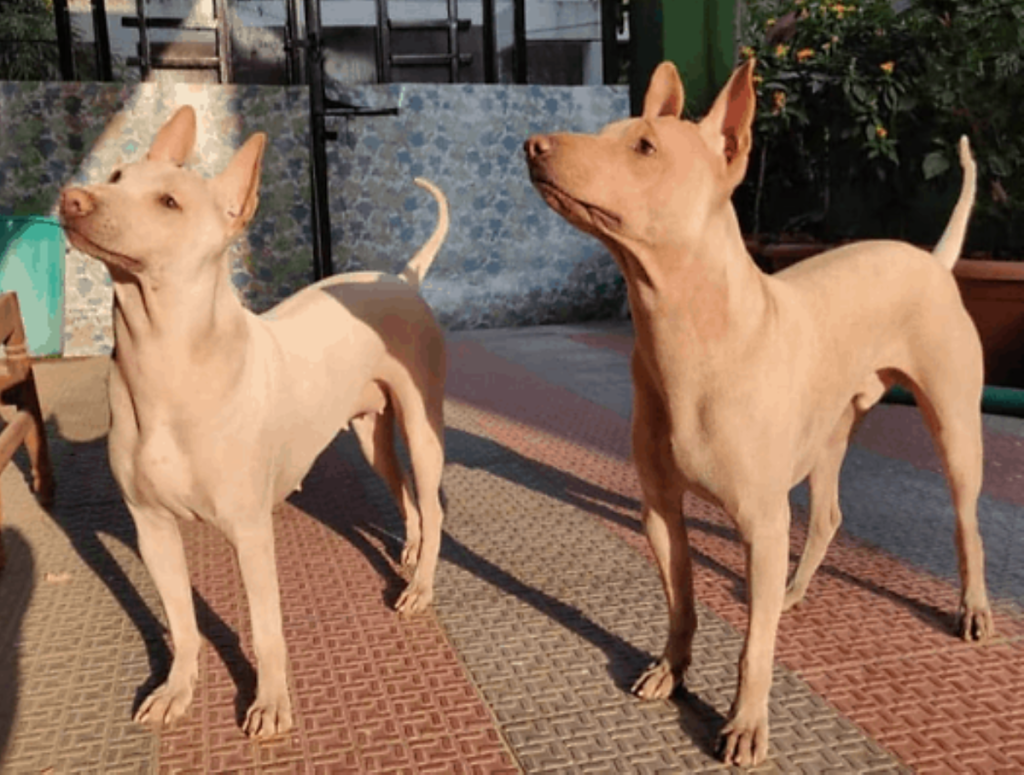
Other Names: Jonangi Jagilam, Kolleti Jagilam, Jaglam
The Jonangi is one of the rarest and most unusual of all hairless dog breeds. Originating in the coastal wetlands of India, this primitive working dog was developed not primarily as a companion, but for survival, independence, and a very specialized job: herding ducks through marshy terrain.
Unlike more familiar hairless breeds such as the American Hairless Terrier, Chinese Crested, Peruvian Inca Orchid, or Xoloitzcuintli, the Jonangi remains little known outside of India. Its history, appearance, and behavior make it one of the most distinctive dogs in the hairless dog world.
A Dog That Doesn’t Bark
One of the Jonangi’s most remarkable traits is what it does not do: it does not bark in the traditional sense. Instead, it produces a range of unusual vocalizations often described as yodeling, talking, or making expressive low sounds.
This unusual voice gives the breed an almost wild quality and adds to its reputation as a very primitive dog. For owners who are drawn to unusual canine behavior, the Jonangi offers something completely different from the typical household pet.
Built for Wetlands and Work
The Jonangi developed in the coastal region of Andhra Pradesh, especially around the wetlands associated with Kolleru Lake. It was traditionally used by duck farmers and fishing communities, where it helped herd ducks and guard rural property.
This was a highly specialized role. A Jonangi had to be agile in muddy ground, comfortable in wet conditions, and able to work independently without constant direction. The breed is known for strong swimming ability, stamina, and alertness, all of which supported its original purpose.
Appearance: Primitive and Distinctive
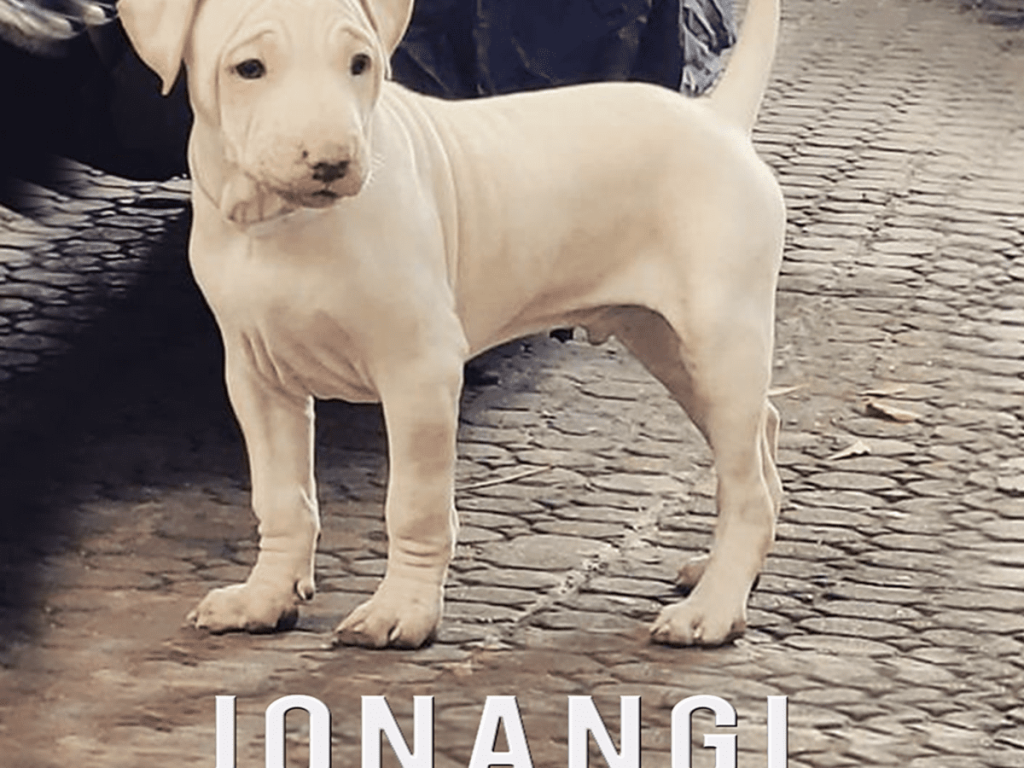
The Jonangi has a unique look that immediately sets it apart. It typically has a compact, muscular frame, upright ears, a tightly curled tail, and wrinkled skin, especially when young. Many dogs have a very sparse coat or appear nearly hairless, which is why the breed is often discussed alongside other hairless dog breeds.
Its appearance is not refined in the polished way of many modern show breeds. Instead, the Jonangi has a functional, natural look that reflects its history as a landrace working dog. That primitive quality is part of what makes the breed so compelling.
Temperament: Intelligent, Independent, and Strong-Willed
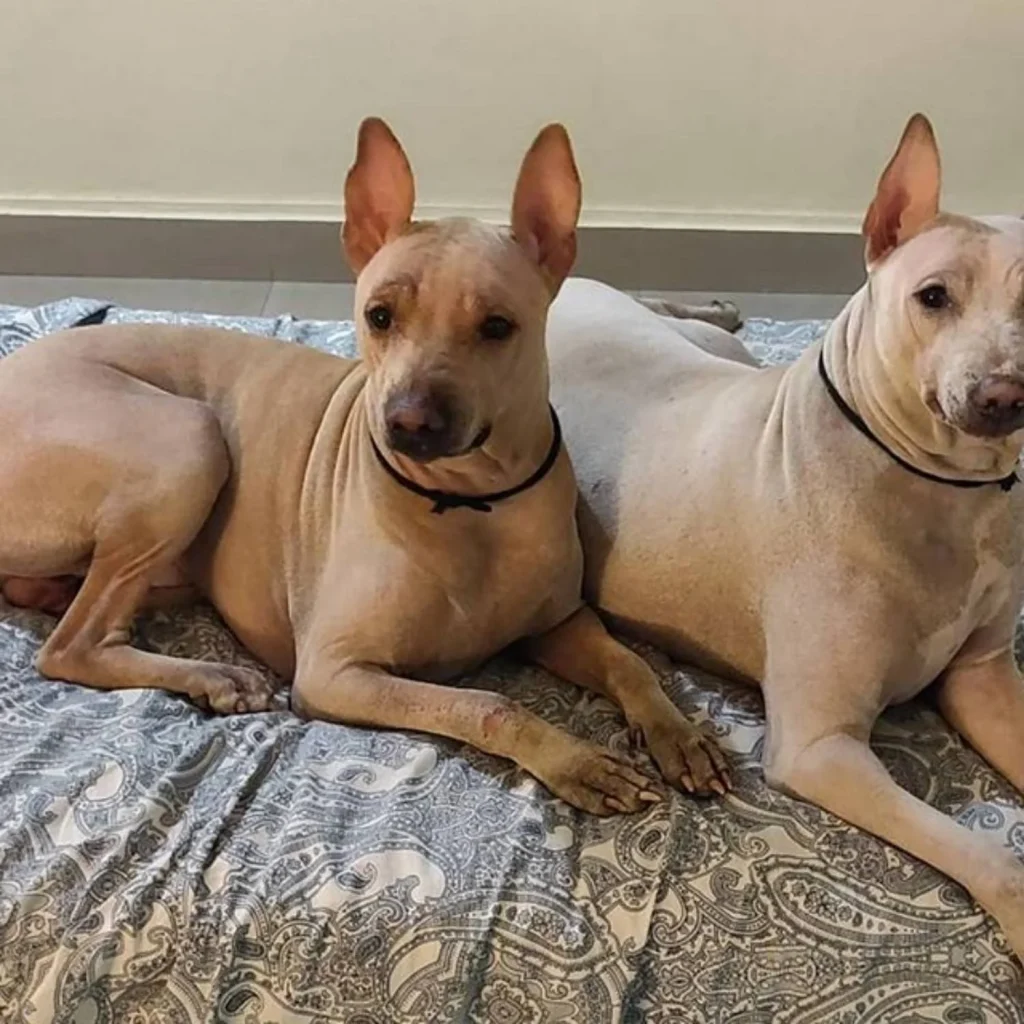
The Jonangi is intelligent, observant, and loyal to its family, but it is not typically eager to please in the way many modern companion breeds are. This is an independent dog with a mind of its own.
Jonangis are often wary or aloof with strangers and may show strong territorial instincts. They can bond deeply with their people, but they usually do best with experienced owners who respect the breed’s natural temperament instead of expecting effortless obedience.
For that reason, the Jonangi is generally not the best choice for first-time dog owners. It is better suited to people who appreciate primitive breeds and understand the value of patience, structure, and thoughtful handling.
Care and Skin Needs
Because the Jonangi often has very little coat, it may need some of the same general attention given to other dogs discussed in our guide to hairless dog care. Skin can be more exposed to sun, dryness, and environmental irritation than it would be in a fully coated breed.
At the same time, the Jonangi is generally considered a hardy dog, especially in the hot climate where it developed. Its needs are practical rather than delicate. Owners should focus on protecting exposed skin when necessary while also respecting the breed’s naturally robust nature.
Living Requirements
This is not an ideal breed for apartment life or a highly structured urban routine. The Jonangi is best suited to homes with space, security, and room for movement. It thrives when given both physical freedom and mental engagement.
Because of its independence and working background, the Jonangi often does best in rural or semi-rural settings where its instincts make sense. People looking for an easygoing lap dog may find the breed challenging, but those who value authenticity and heritage may find it deeply rewarding.
A Rare Living Heritage of India
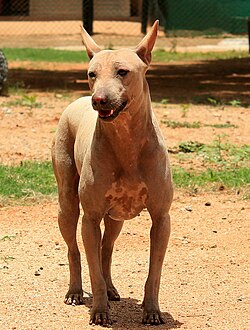
Today, the Jonangi is very rare. As traditional duck-herding practices declined, so did the need for the breed. That has made preservation increasingly important.
More than just an unusual dog, the Jonangi is a living piece of regional Indian history. It represents an older relationship between people, landscape, and working animals. For that reason, the breed deserves attention not only from dog lovers, but also from anyone interested in the broader story of how hairless dog breeds developed around the world.
Quick Facts
Best For: Experienced owners interested in rare primitive breeds
Breed Name: Jonangi
Other Names: Jonangi Jagilam, Kolleti Jagilam, Jaglam
Origin: India
Traditional Role: Duck herding and rural guarding
Coat Type: Sparse-coated to nearly hairless
Temperament: Intelligent, independent, territorial, loyal