A Rare and Unrecognized Hairless Dog of Coastal South America
The Ecuadorian Hairless Dog, sometimes called the Perro Calvo Ecuatoriano or Ecuadorian Bald Dog, is one of the least understood hairless dog types in the world. Unlike well-established breeds such as the Xoloitzcuintli or the Peruvian Inca Orchid, this dog has never been formally standardized or recognized by major kennel clubs.
Instead, it occupies a unique position between history and modern uncertainty: a regional hairless dog type with deep roots in coastal Ecuador, but no confirmed modern breed population.
Origins and Geographic Roots
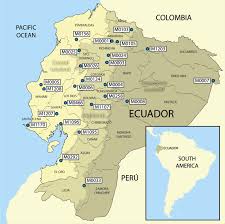
The Ecuadorian Hairless Dog is associated with the Santa Elena Peninsula, Manabí Province, and the Gulf of Guayaquil. These coastal regions provide a warm, tropical climate where hairless dogs can thrive naturally.

Image: Gulf of Guayaquil in Ecuador
Historical Spanish-language descriptions reference:
- Perros sin pelo de la costa (hairless dogs of the coast)
- Perros calvos criollos (local bald dogs)
These accounts suggest that hairless dogs were once a naturally occurring part of local village populations, rather than a selectively bred or formally maintained type.
A Brief Historical Perspective
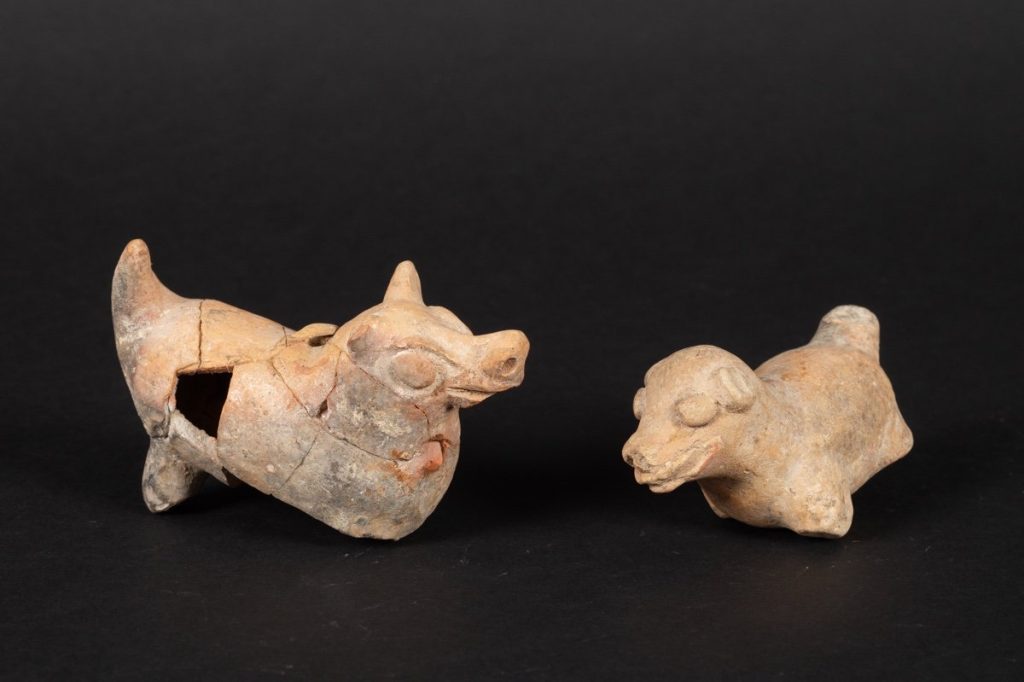
Image: Pre-Columbian pottery from Ecuador. Figure on right may depict a hairless dog.
Ancient coastal cultures in Ecuador, including the Valdivia and Manteño, produced ceramic representations of animals, including dogs. Some of these figures appear smooth-bodied, but there is no definitive archaeological evidence clearly identifying a hairless dog equivalent to those documented in Peru or Mexico.
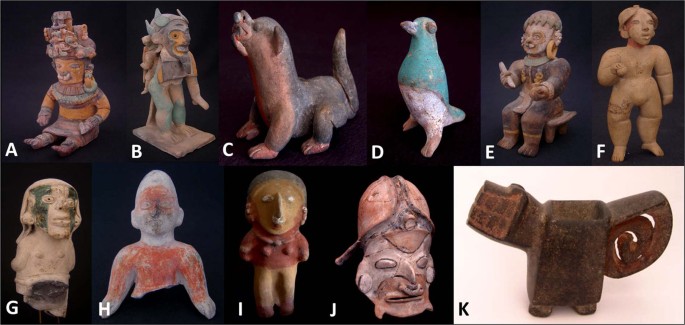
Image: Indigenous Manteno pottery from Ecuador
More reliable references appear in later periods:
- Colonial and post-colonial accounts describe hairless dogs living in coastal communities
- These dogs were noted for their warm skin, a characteristic commonly associated with hairless breeds
Like many indigenous dog types, these populations likely declined due to:
- Spanish colonization
- Introduction of European dog breeds
- Loss of traditional breeding continuity
Genetic Background
Although no genetic studies have specifically examined Ecuadorian hairless dogs, the mechanism behind hairlessness in dogs is well understood.
- Hairlessness is linked to a mutation in the FOXI3 gene
- This same mutation appears in multiple breeds, including the Chinese Crested, Xoloitzcuintli, and Peruvian Inca Orchid
The most likely explanation is that Ecuadorian hairless dogs were a regional variation of the broader ancient American hairless dog population, most closely related to the Peruvian Inca Orchid.
Appearance and Physical Traits
Because no breed standard exists, descriptions are based on reports and comparisons to similar hairless dogs.
- Size: Medium
- Build: Slim and athletic
- Skin: Smooth; typically dark, gray, brown, or sometimes described as “golden”
- Hair: Mostly absent, with occasional tufts on the head, tail, or feet
- Ears: Upright or semi-erect
In overall appearance, they likely resembled a smaller version of the Peruvian Inca Orchid.
Breed Status: Does It Exist Today?
This is the most important and often misunderstood aspect of the Ecuadorian Hairless Dog.
What We Know
- Hairless dogs did exist historically in Ecuador
- They were part of naturally occurring local populations
- They were never formally standardized
What Is Uncertain
- Whether a true, continuous breeding population exists today
Modern Evidence
- Occasional reports and claims of living examples
- References in local sources and online listings
However, there is still no verified, documented breeding population or recognized breed standard in the modern world.
Truth vs. Myth
Likely Facts
- Hairless dogs lived in coastal Ecuador
- They were closely related to other American hairless dogs
- They were never developed into a formal breed
Common Misconceptions
- That it is a recognized or standardized breed
- That a stable, pure population exists today
- That it is entirely separate from other South American hairless dogs
Relationship to Other Hairless Dogs
The Ecuadorian Hairless Dog is part of a broader group of ancient hairless dogs of the Americas.
Closest Relative: Peruvian Inca Orchid
Related Breeds:
These dogs share common genetic themes, but the Ecuadorian Hairless Dog remains much more obscure and much less formally documented than the established breeds.
Final Thoughts
The Ecuadorian Hairless Dog is best understood not as a modern breed, but as a historically documented hairless dog type from coastal Ecuador, with uncertain survival into the present day.
It represents an important but often overlooked part of the broader story of hairless dogs across the Americas. Readers interested in better-known relatives can also explore the Xoloitzcuintli and the Peruvian Inca Orchid.
How It’s Classified on This Site
- Type: Rare / Unrecognized Hairless Dog
- Status: Possibly surviving, but unconfirmed
- Recognition: None
Recognized Hairless Dog Breeds
Hairless Dog Variants