Ancient PIO Hairless Dog Breed Guide



Ancient Hairless Dog of Peru
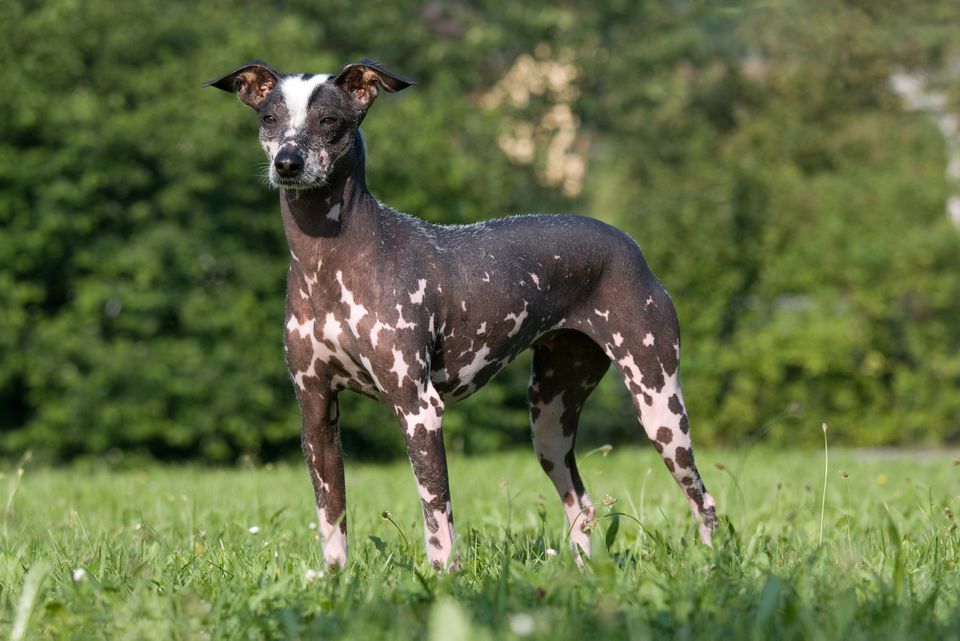
Peruvian Inca Orchid, national dog of Peru
Other names: Peruvian Inca Orchid, Peruvian Hairless Dog, Perro Sin Pelo del Perú, Peruvian Hairless, Inca Hairless Dog, Viringo, Calato Dog, Peruvian Orchid Dog
The Peruvian Inca Orchid (PIO) is one of the oldest hairless dog breeds in the world. Native to Peru, this elegant and unusual breed has existed for thousands of years and was already present long before the rise of the Inca Empire.
Recognized today for its distinctive hairless appearance, warm skin, and loyal temperament, the Peruvian Inca Orchid is both a fascinating companion dog and an important part of Peru’s cultural heritage. Archaeological discoveries show that hairless dogs resembling the modern Peruvian Inca Orchid appeared in ceramic artwork and pottery created by ancient Peruvian civilizations more than two thousand years ago.
Although still relatively rare outside South America, the Peruvian Inca Orchid has gained international recognition and is admired for its intelligence, graceful movement, and strong bond with its owners.
Breed Overview
| Breed Name | Peruvian Inca Orchid |
|---|---|
| Abbreviation | Peruvian Inca Orchid (PIO) |
| Origin | Peru |
| Breed Type | Hairless primitive breed |
| Size Varieties | Small, Medium, Large |
| Lifespan | 12–14 years |
| Temperament | Loyal, sensitive, intelligent |
| Grooming Needs | Low, with special skin care requirements |
| Activity Level | Moderate |
History and Origins
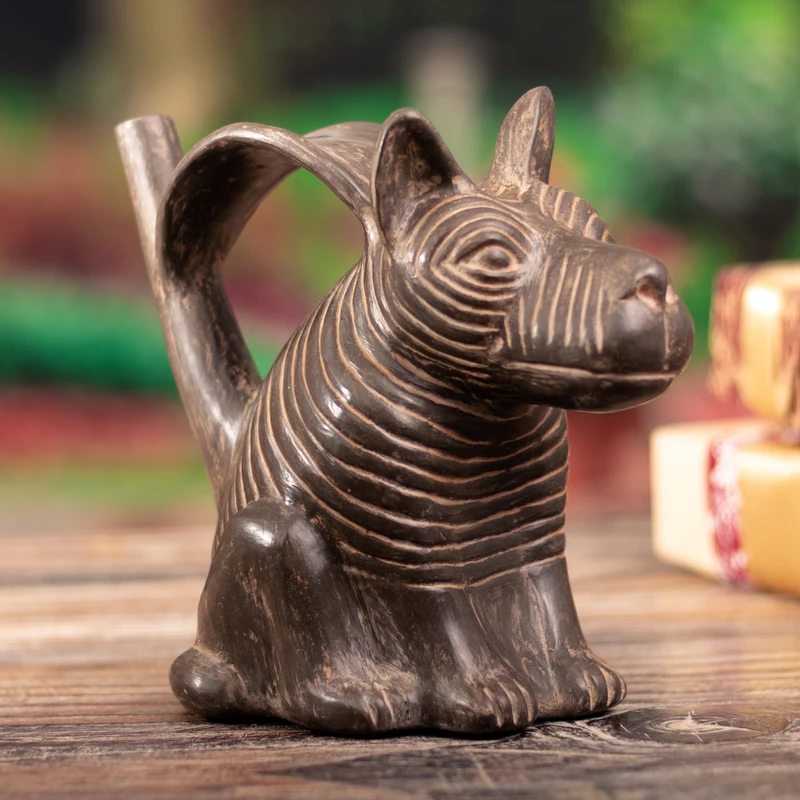
The Peruvian Inca Orchid has deep historical roots in ancient South American civilizations. Archaeological evidence shows hairless dogs in Peru dating back more than 2,000 years, appearing in pottery and artwork from several pre-Columbian cultures.
Among the cultures known to depict hairless dogs are:
- the Moche culture (100–800 AD)
- the Chimu culture (900–1470 AD)
- the Vicús culture (500 BC – 500 AD)
These ancient ceramics often portray slender, hairless dogs with upright ears that strongly resemble the modern Peruvian Inca Orchid.
Hairless dogs were likely valued as companions and possibly as ceremonial or symbolic animals. Some historical accounts suggest they were believed to possess healing properties because their exposed skin felt warmer than that of coated dogs.
When the Inca Empire rose to power in the 15th century, these dogs were already part of Peruvian culture. Over time they became associated with nobility and temples, contributing to the breed’s modern name.
A National Treasure of Peru
The Peruvian Inca Orchid holds special cultural importance in its homeland.
Peru has officially declared the breed part of the country’s national heritage, and laws protect the breed as a native cultural asset. Visitors to Peru may even encounter these dogs in museums and archaeological sites where they represent the country’s ancient history.
International recognition followed much later when the breed was accepted by major kennel organizations, including the Fédération Cynologique Internationale and the American Kennel Club.
Size Varieties
Unlike most hairless breeds, the Peruvian Inca Orchid comes in three different size varieties.
Small
Height: about 10–16 inches (25–40 cm)
Medium
Height: about 16–20 inches (40–50 cm)
Large
Height: about 20–26 inches (50–65 cm)
Despite the difference in size, all varieties share the same elegant body structure and temperament.
Hairless Gene and Coat Types
Most Peruvian Inca Orchids are hairless, but the breed can also produce coated puppies.
Hairlessness results from a dominant genetic mutation similar to the one found in several other hairless dog breeds. Because of this genetic trait, a litter may contain both hairless and coated puppies.
Hairless dogs may still have small patches of hair, typically on:
- the head
- the feet
- the tip of the tail
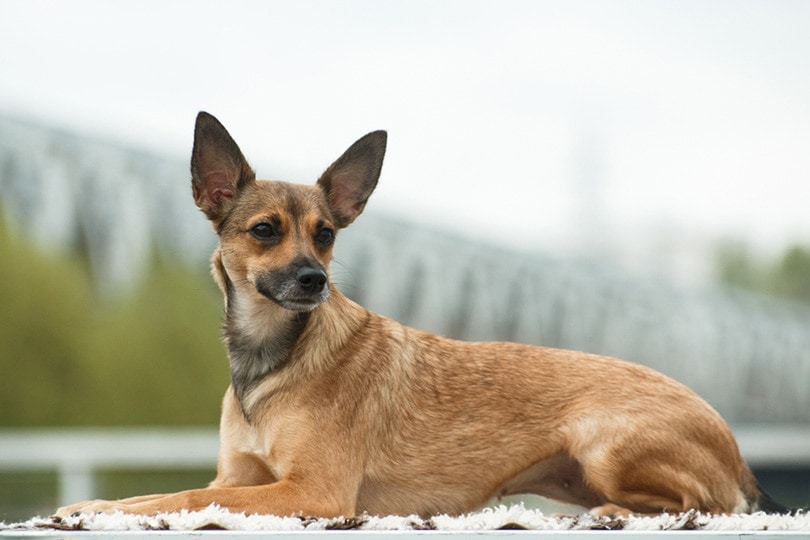
Coated individuals have a short, smooth coat and are part of the breed’s natural gene pool.
Appearance
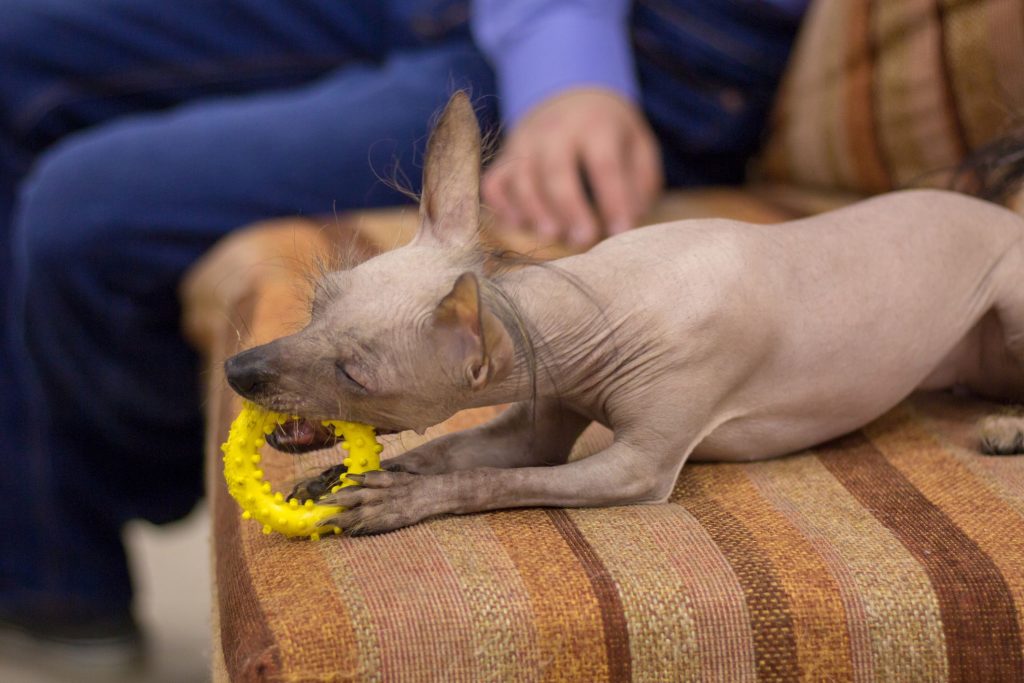
The Peruvian Inca Orchid has a distinctive and elegant look that sets it apart from most other dogs.
Typical physical characteristics include:
- slender athletic body
- long legs
- almond-shaped eyes
- large upright ears
- graceful movement
Their skin may appear in a wide variety of colors and patterns, including:
- black
- slate gray
- copper
- chocolate brown
- pink or mottled skin
Spots and pigmentation patterns are common and contribute to each dog’s unique appearance.
Temperament
Peruvian Inca Orchids are known for their strong attachment to their owners.
Common temperament traits include:
- affectionate with family
- loyal and protective
- sensitive to their owner’s mood
- alert and intelligent
Many Peruvian Inca Orchids are reserved around strangers and may appear shy at first. Early socialization helps them become more confident in new environments.
The breed tends to form very strong bonds with one or two primary caregivers.
Exercise and Activity
The Peruvian Inca Orchid has a moderate activity level.
They enjoy:
- daily walks
- running in secure areas
- playtime with their owners
- mentally stimulating activities
Although energetic, they are generally calm indoors when their exercise needs are met.
Skin Care and Grooming
Hairless dogs require a different type of grooming than coated breeds.
Important care considerations include:
- protecting the skin from sun exposure
- preventing dry skin with moisturizers
- occasional bathing to remove oils and dirt
Because they lack fur insulation, Peruvian Inca Orchids may also require sweaters or coats in colder climates.
Coated individuals, by contrast, need only basic brushing and standard grooming.
Dental Traits
Like several hairless dog breeds, the Peruvian Inca Orchid may have unique dental characteristics related to the hairless gene.
These may include:
- missing premolars
- irregular tooth spacing
- reduced tooth count
Regular dental care and veterinary checkups are important to maintain good oral health.
Living Environment
The Peruvian Inca Orchid adapts well to many living environments, including apartments and houses.
However, they generally prefer:
- warm climates
- indoor living
- close companionship with their owners
Because their skin is exposed, they are sensitive to extreme weather conditions and should not be left outdoors for long periods.
Lifespan and Health
The Peruvian Inca Orchid is generally a healthy breed.
Typical lifespan: 12–14 years
Aside from skin and dental considerations related to hairlessness, the breed does not have many widespread genetic health issues.
Responsible breeding helps maintain the health and diversity of the breed.
Interesting Facts About the Peruvian Inca Orchid
- The breed is considered one of the oldest hairless dog breeds in existence.
- Ancient Peruvian pottery frequently depicts dogs that closely resemble modern Peruvian Inca Orchids.
- Their skin often feels warmer than that of coated dogs because there is no insulating fur.
- Both hairless and coated puppies can appear in the same litter.
Is the Peruvian Inca Orchid Right for You?
The Peruvian Inca Orchid can make a wonderful companion for the right owner.
This breed is best suited for people who:
- enjoy unusual and rare dog breeds
- want a loyal companion dog
- are willing to provide special skin care
- prefer an intelligent and sensitive dog
With proper care and socialization, the Peruvian Inca Orchid is a loving and fascinating companion that carries thousands of years of history in its lineage.